Who are you?
I'm Herm Schreurs.
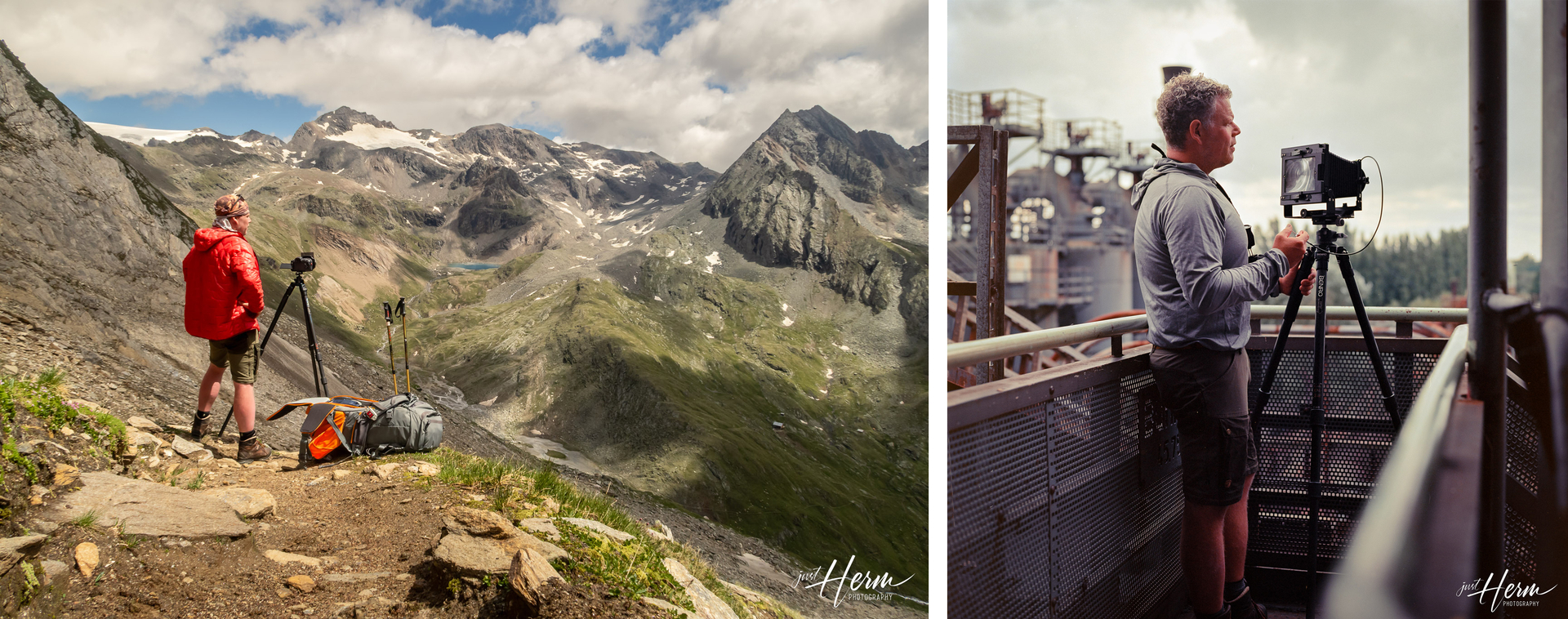
I'm a nature and outdoor photographer with my own studio and darkroom in Venlo. That's where I make my fine art prints and frame them myself. The workshops, training sessions, and guest lectures are partly in the studio but also on location.
Just Herm, that's me! That's also where the name of my company comes from: just Herm.
After a long day, arriving at that mountain hut with my heavy backpack, wonderful. And then with a fresh beer on a rickety chair on the terrace at an altitude of 3000m. The silence, the view, and the feeling of “I did it!” That's enjoyment with a capital E!
Really struggling to get to the top and then taking that beautiful photo is the icing on the cake.
 What motivated you to take up photography?
From curiosity to pride.
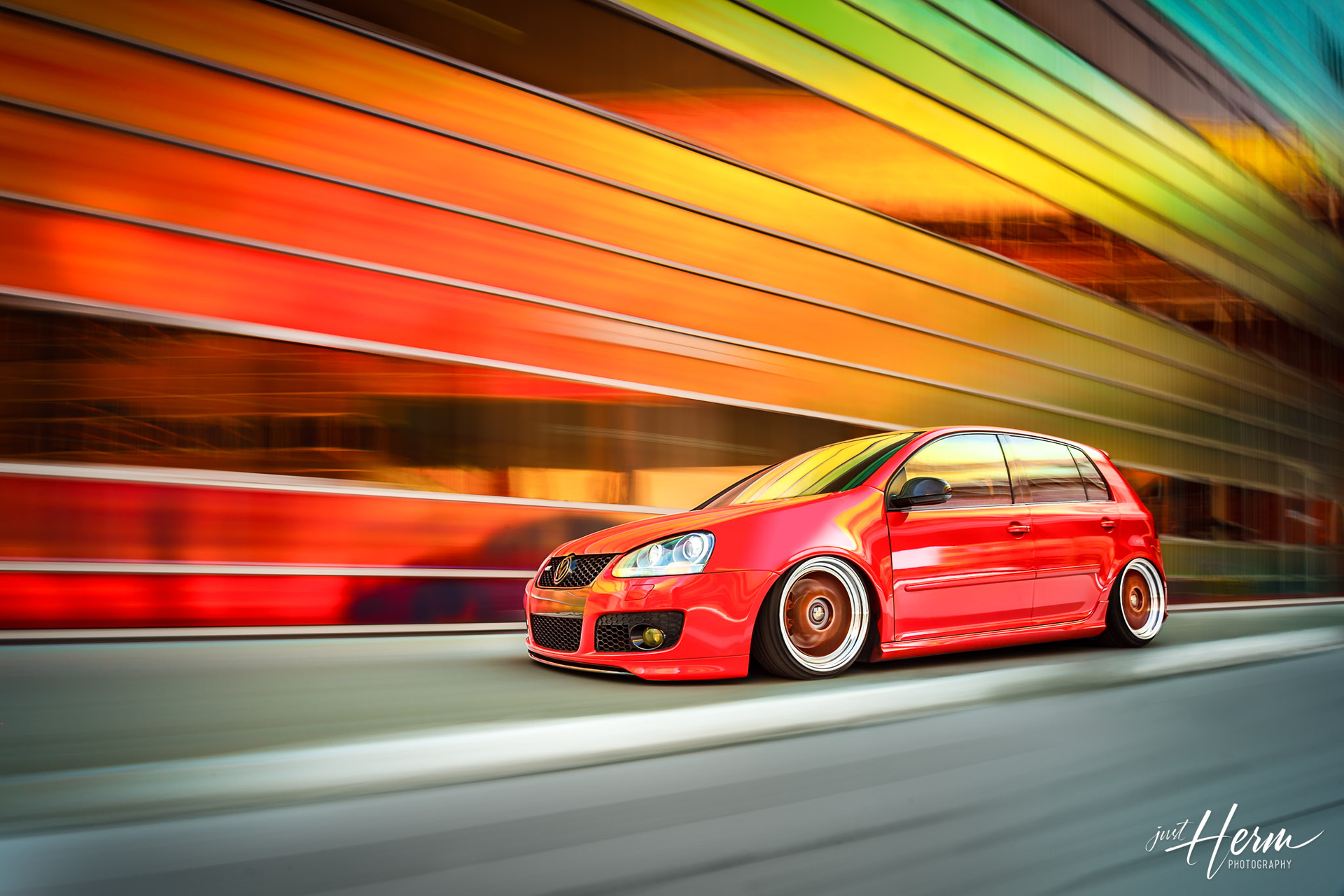
Photography started out as a hobby for me, and to be honest, it still is. Once you get started, there are so many things to learn and discover. Learning to see, finding compositions, studying light, equipment, and techniques. And thanks to my love of cars, I immediately had plenty of subjects to photograph. Each new photo is even more beautiful than the last. I'm proud!
 How and when did you get into photography?
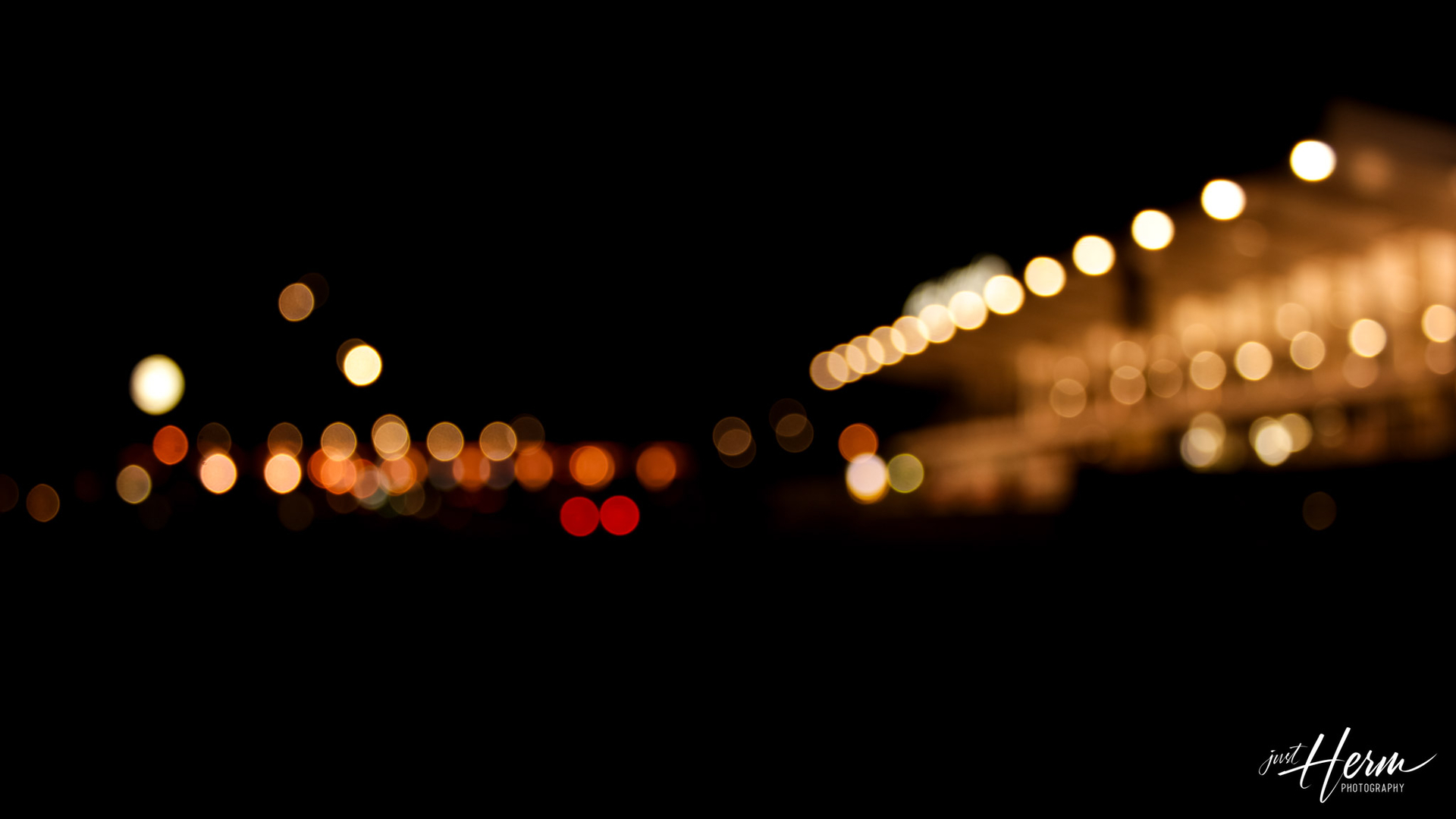
At the end of 2012, I bought my first camera, a used Canon 550D with a real 18-55mm kit lens! Before that, I'd only ever had disposable cameras and small point-and-shoots. I quickly learned that you see more by looking differently and that you can isolate subjects. Of course, the 50mm with its soft bokeh followed. Then came the CPL filter to test those effects and learn all about them. I discovered how much I loved going out. Playing outside, in nature. Alone, but especially with others.
 What is your favorite location?
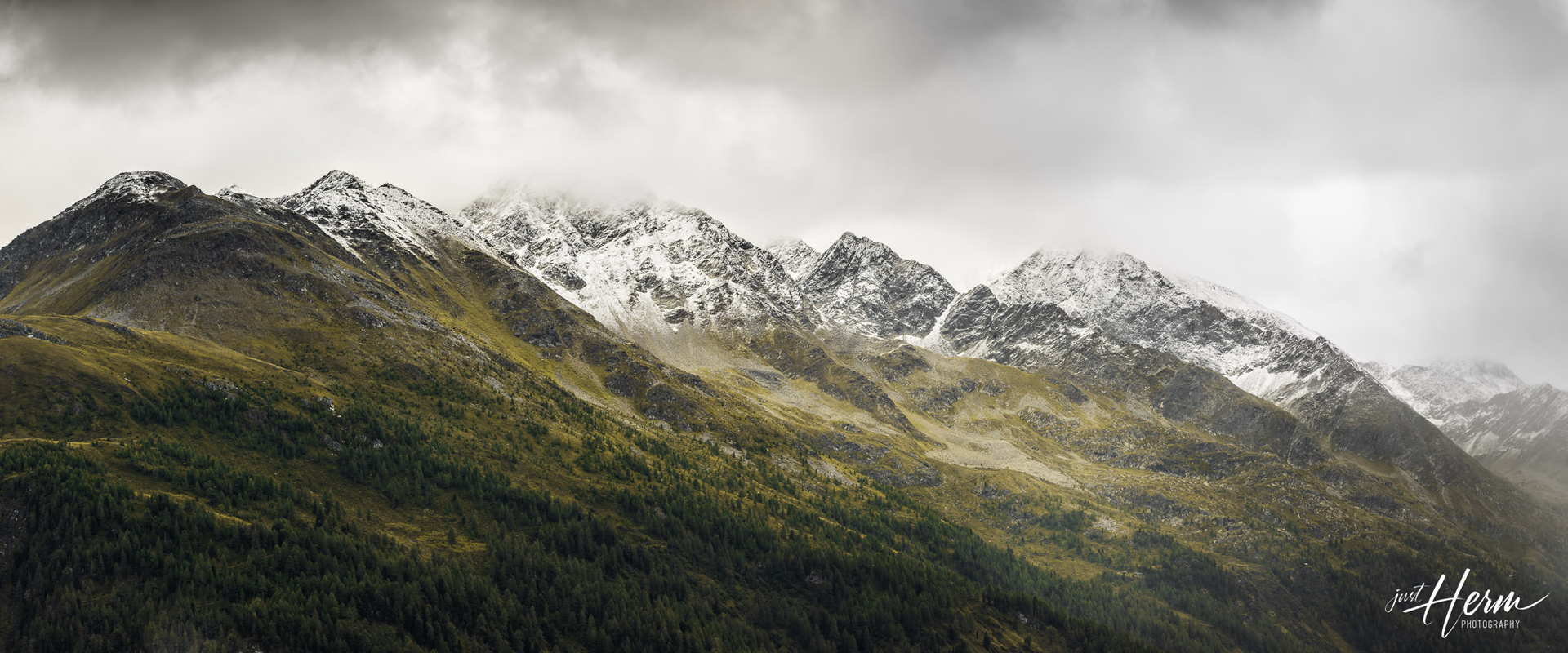
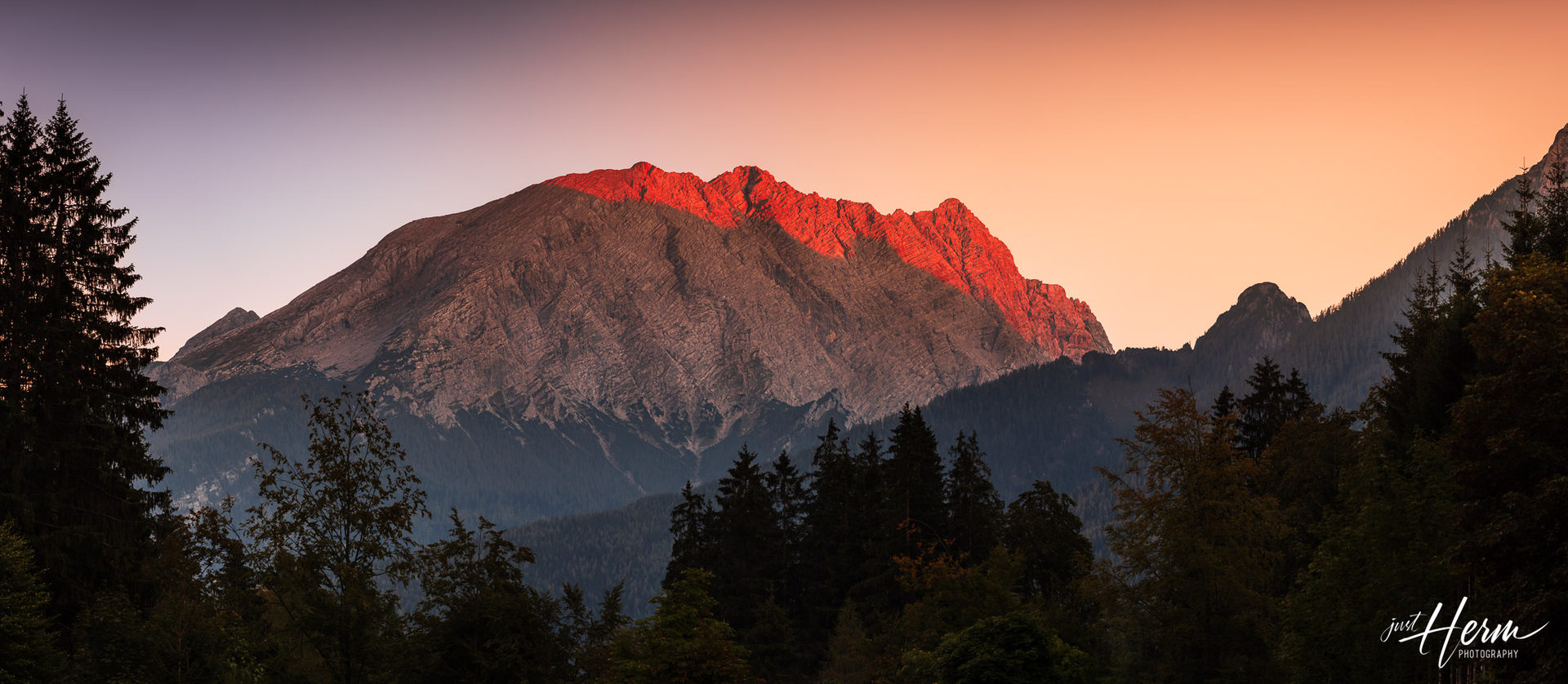
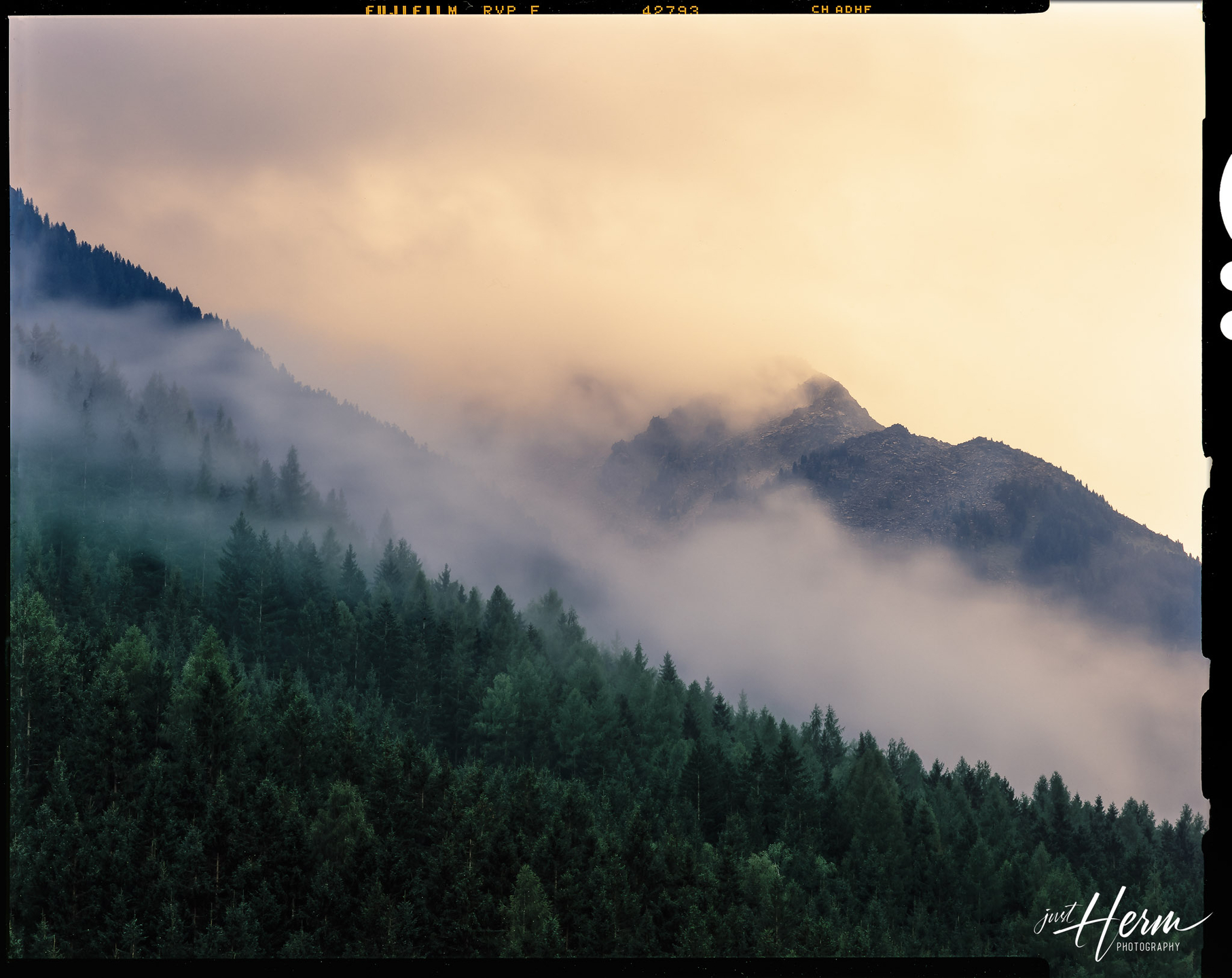
I love being in the mountains in Austria. The rugged, unpredictable character and the wonderful views that reward you after every strenuous climb. In such a primeval environment, you learn how small we humans actually are, with both feet back on the ground. Add to that a good dose of changing weather conditions and you have the ultimate recipe for great photos!
 Under what weather conditions do you prefer to go out?
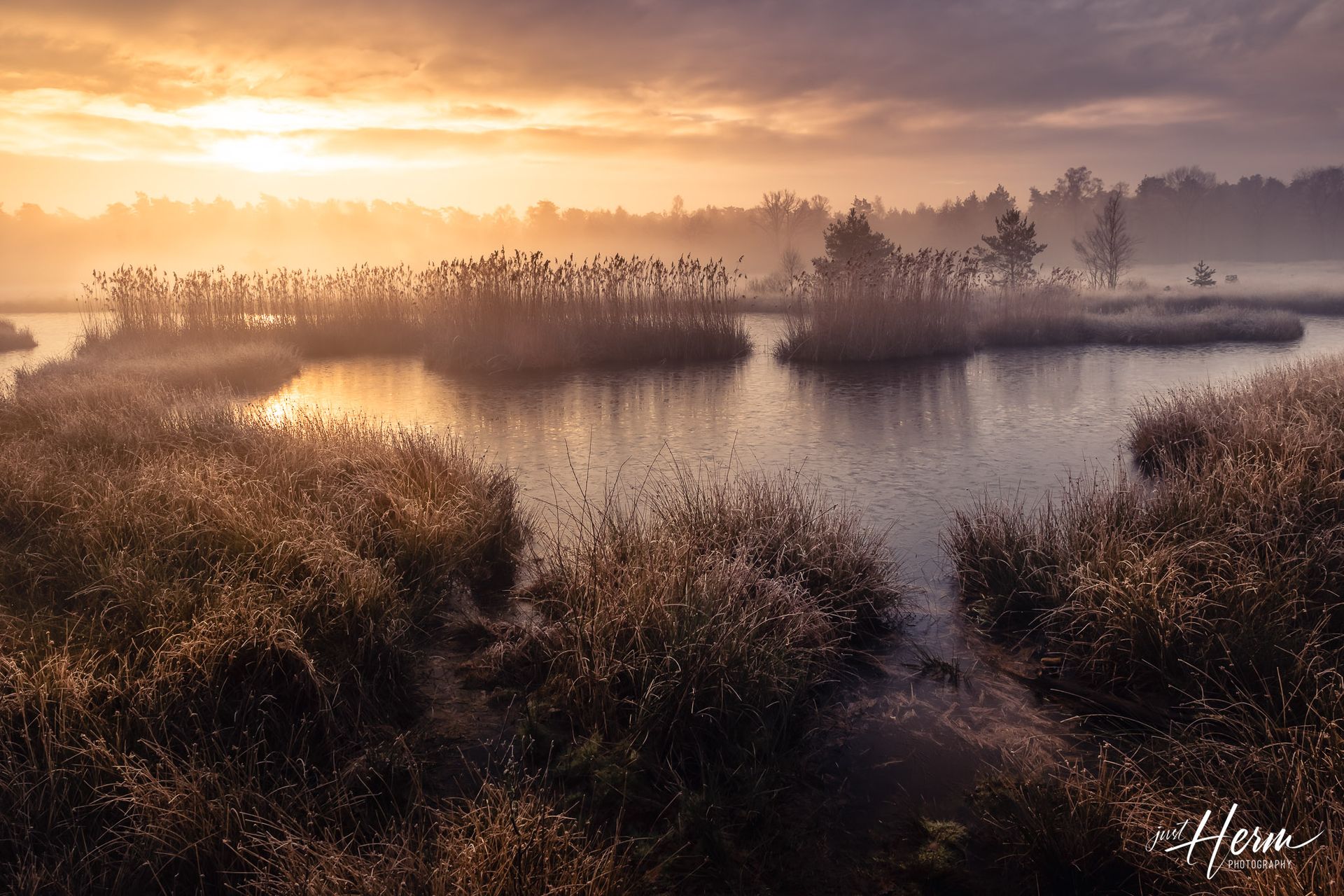
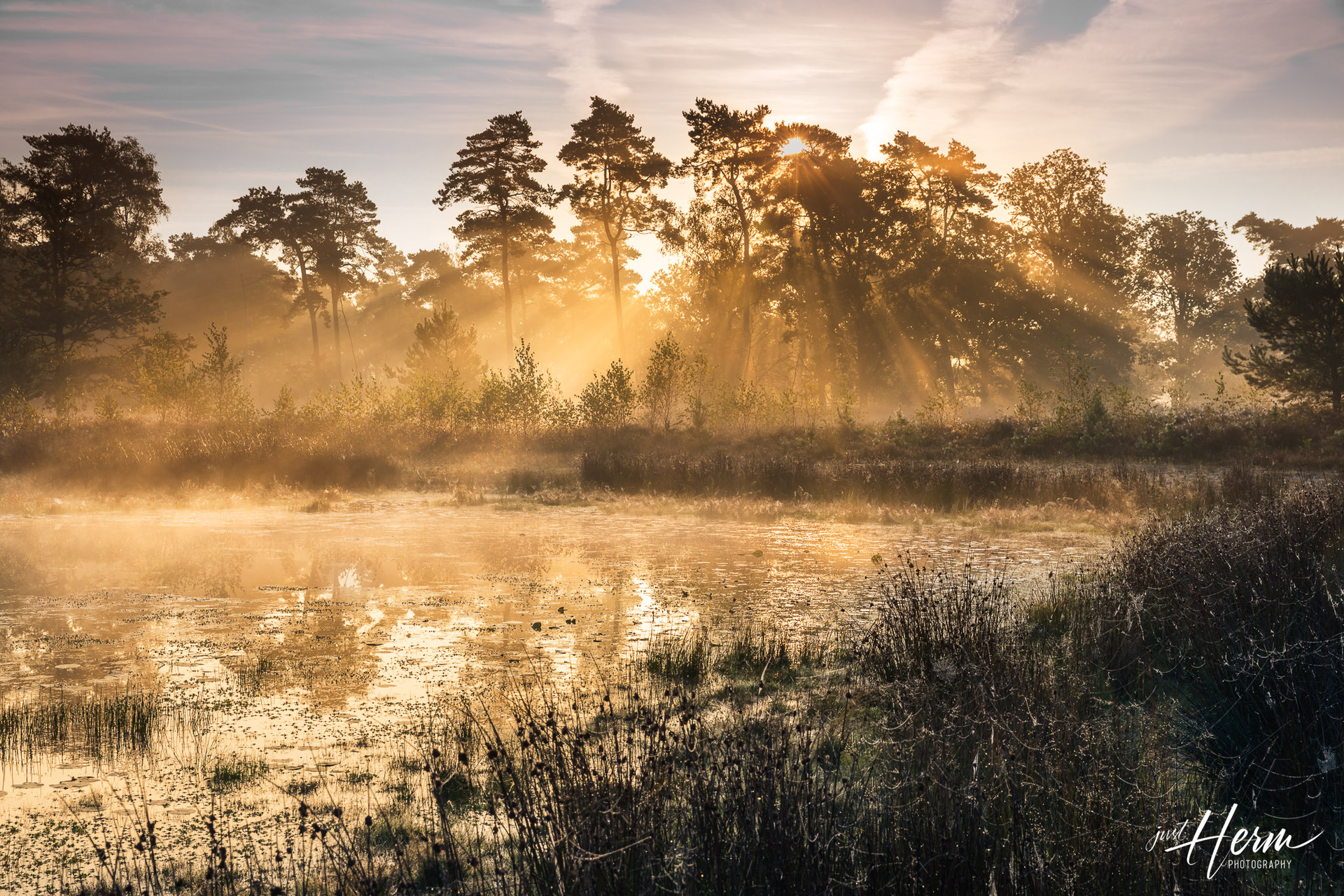
There is always something beautiful to be found, a mountain in the distance or a twig with dewdrops right in front of you on the ground. But just before or just after a heavy shower, the weather conditions are truly beautiful and mysterious. And that thick fog, which slowly turns golden as soon as the sun rises, is truly a gift from Mother Nature.
 What do you consider most important when giving workshops?
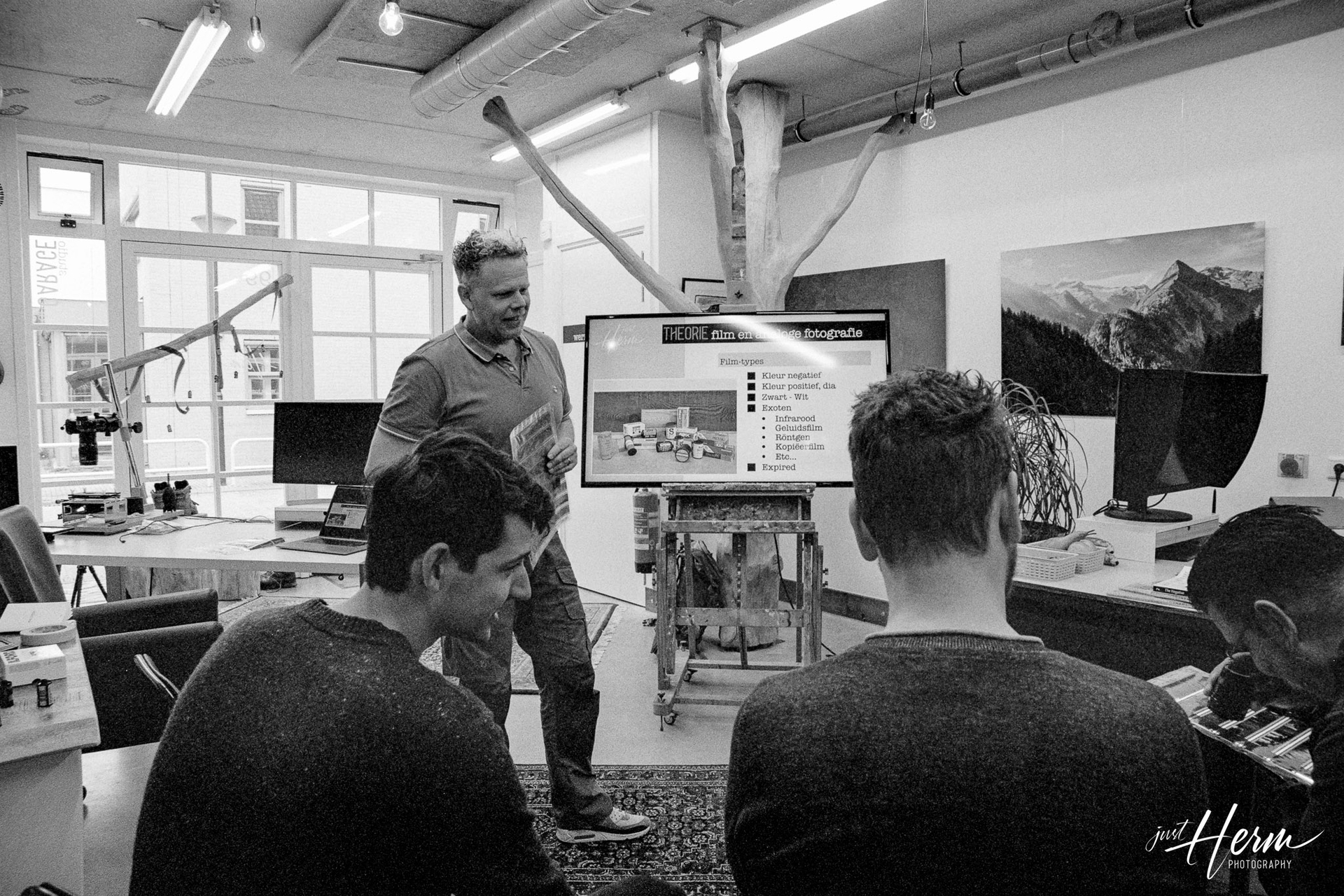
It gives me energy when I can convey my passion to someone else. When I can help someone or give them just that little push they need to do it all by themselves.
That's why it's important for me to enjoy it myself. And thanks to my down-to-earth “just Herm” view of the world, my empathy, and my enthusiasm, participants quickly feel that they can be themselves. They can ask whatever they want. At the end of the day, they take home the knowledge and experience they came for. Full of confidence, that's what I find most important!
 Are there moments in your life that have had a significant impact on your photography experience?
Feeling nature.
My first multi-day hike and my first hut-to-hut hike in Austria. Together, they really opened my eyes: you can actually be right in the middle of it all. Experiencing nature up close, feeling it, and smelling it. In those moments, you don't think about anything else, and photography comes naturally.
Back to analog.
The assignments were going well and I was selling large prints. Still, something was missing. I felt like all I was doing was sitting behind the computer, selecting and editing. In this digital age and with the sheer volume of everything, I had lost my passion for photography. That wasn't why I had taken up photography in the first place. Something had to change!
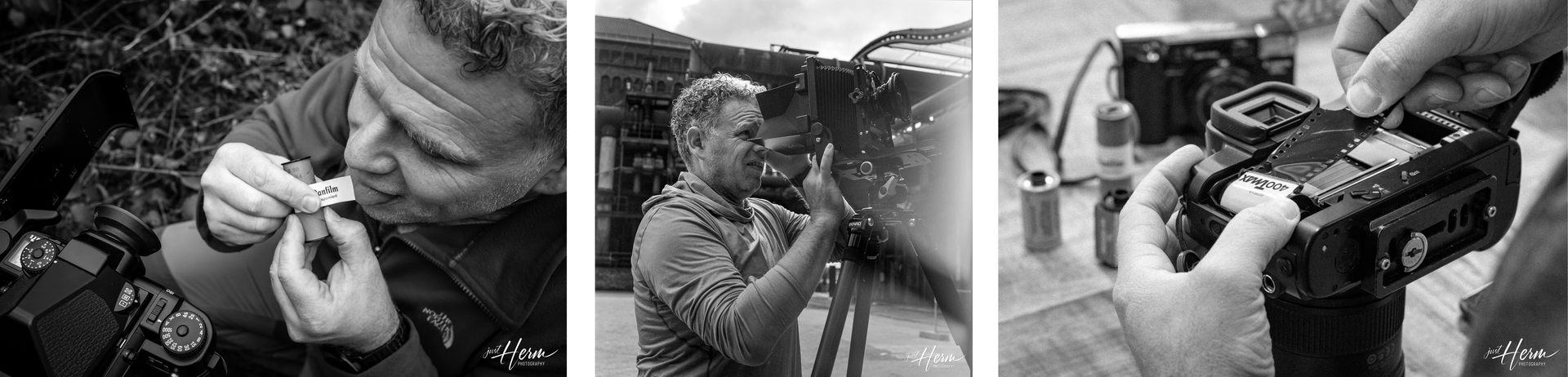
That's why, about five years ago, I completely changed course with my photography. I rediscovered that passion and curiosity in analog photography and working with film. The result was my own darkroom in the back of the studio, and it's so incredibly cool!
Proud of my printing.
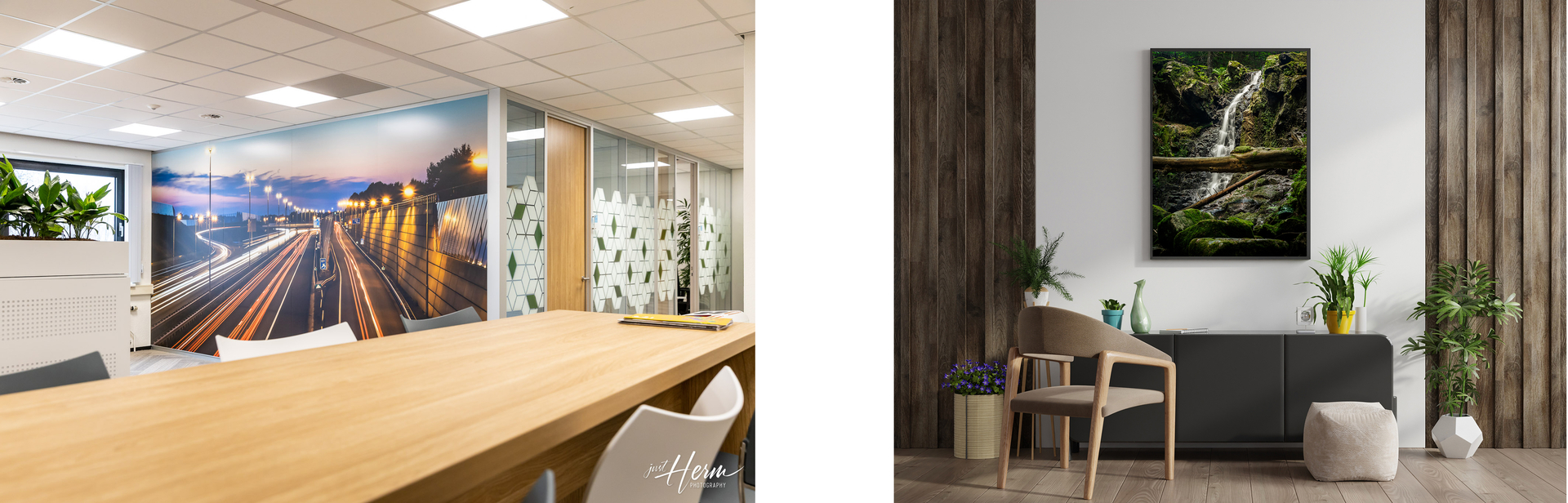
At that time, I also started printing my own work. Printing can be done digitally in the studio, but I much prefer working in the darkroom. With my hands in the chemicals and the peace and quiet of just working on that photo. You develop an increasing bond with your own work.
I felt something I hadn't felt in a long time: PRIDE! In that photo I held in my hands, but also in myself, because I had created that photo entirely on my own.
 Which locations are still on your bucket list?
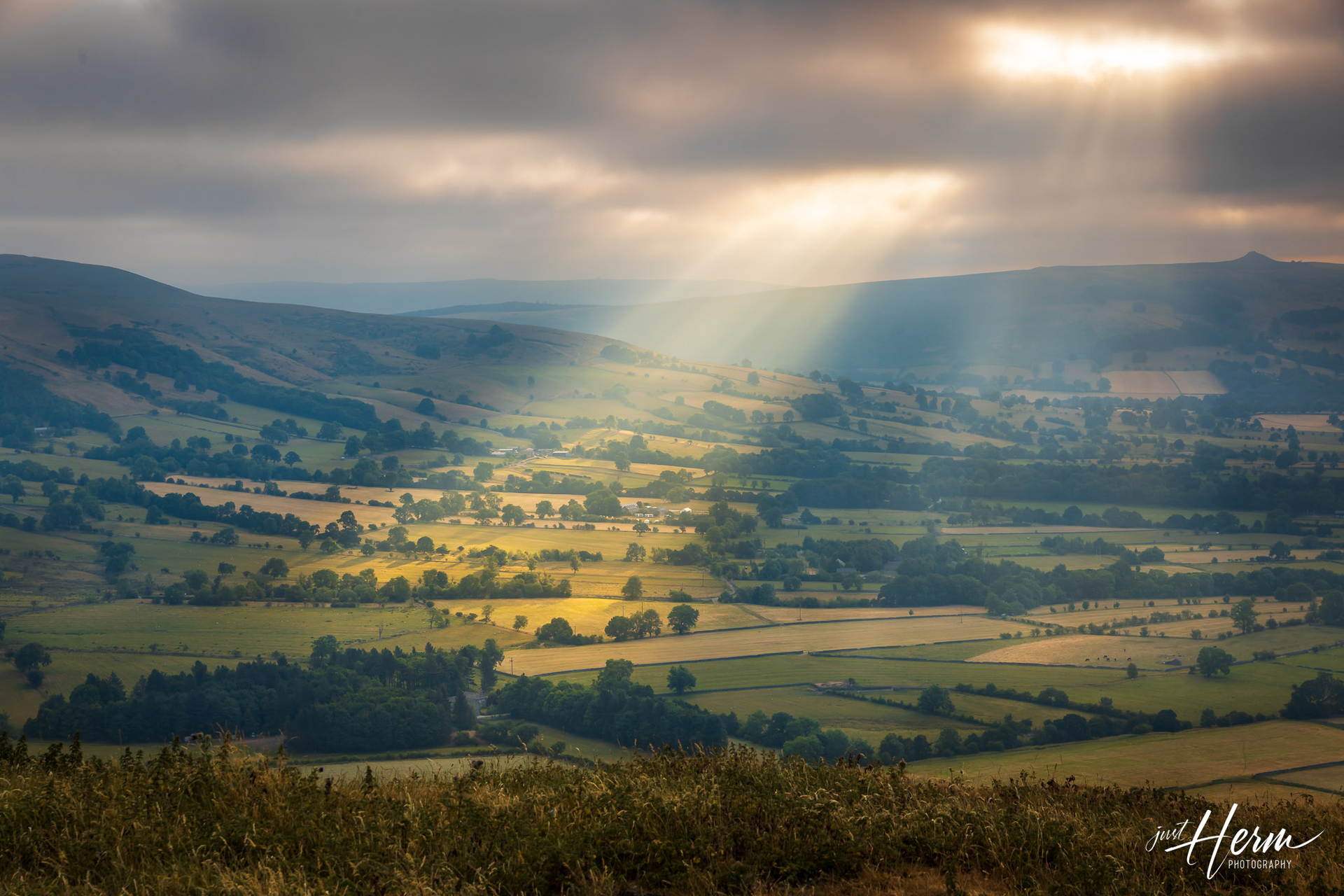
I don't really have a bucket list. Personally, I love going back to the same area, the same place, and even the same photo spot time and time again. It's different every time, with a different season, different weather, and a different time of day. That way, you get to know it better and better, and that connection allows you to take more intimate photos.
I would love to go on a multi-day trip with my tent around Mont Blanc, explore the Highlands of Scotland in our camper van, visit New Zealand, Canada, the US, and Iceland, and definitely the Lofoten Islands and Lapland!
Oops, so it is a kind of bucket list after all...
 What makes the difference?
Do it, do it, you learn the most by just doing it. Make sure you can read and write with your equipment and that there is nothing in your kit that “works against you.” For example, I never go on a photography trip with something completely new; I make sure I have tested and used everything thoroughly at home. That way, you can keep your mind free for the things you encounter on your trip and take the most beautiful photos of them.
 Which Kase Filter product is your favorite?
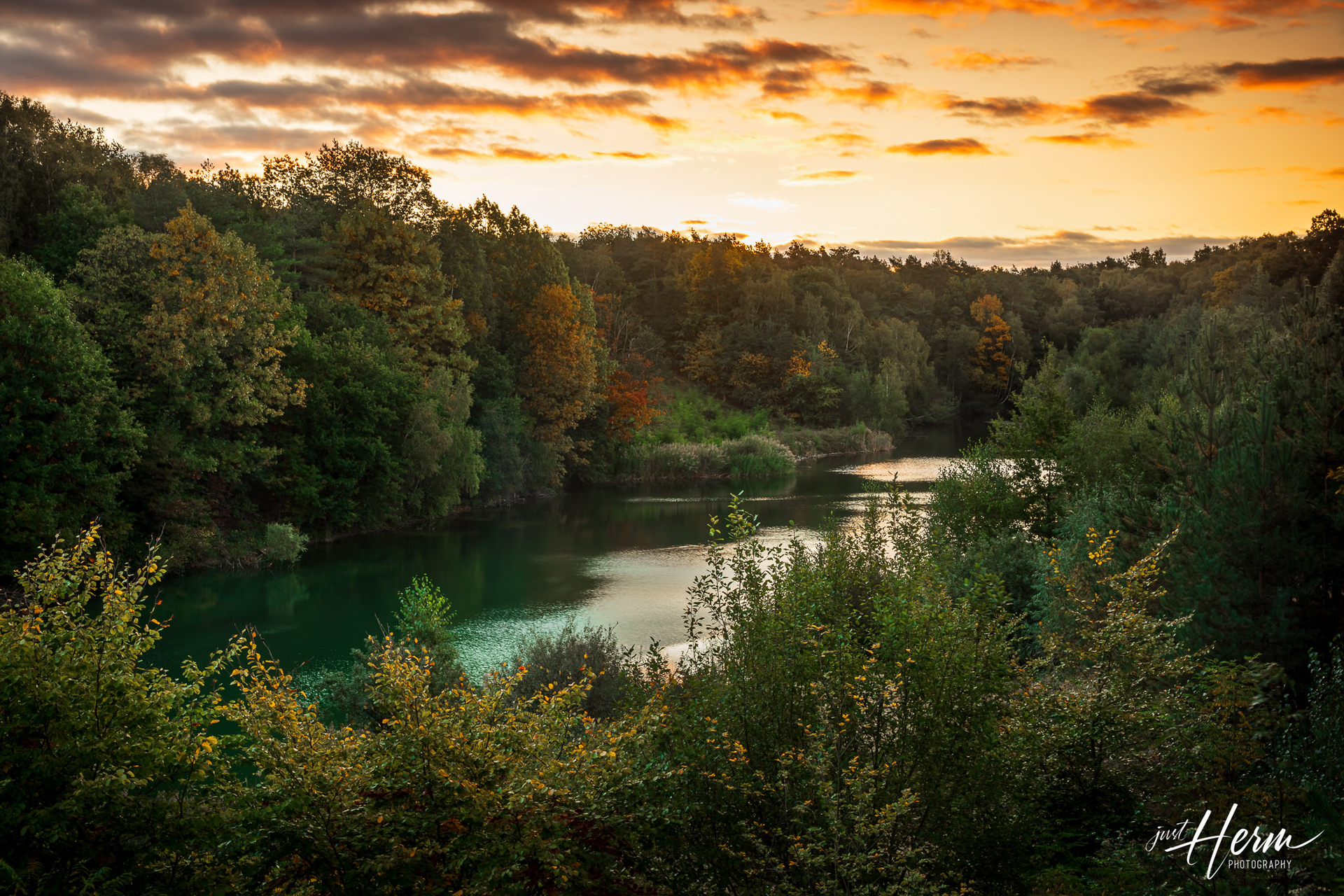
For me, the Kase Armour system is definitely number 1. It's super easy to assemble and mount thanks to the magnetic system. It's so beautifully and solidly made that it can withstand years of rough handling in the field.
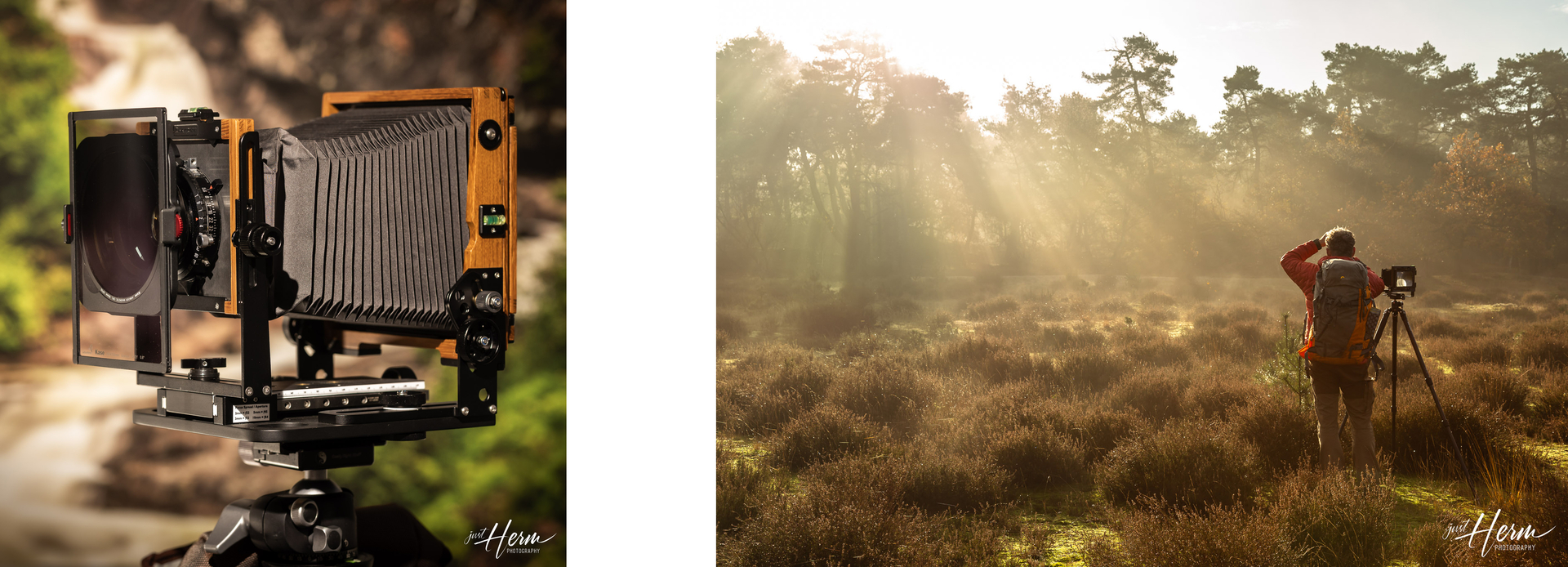 What camera system do you use for photography?
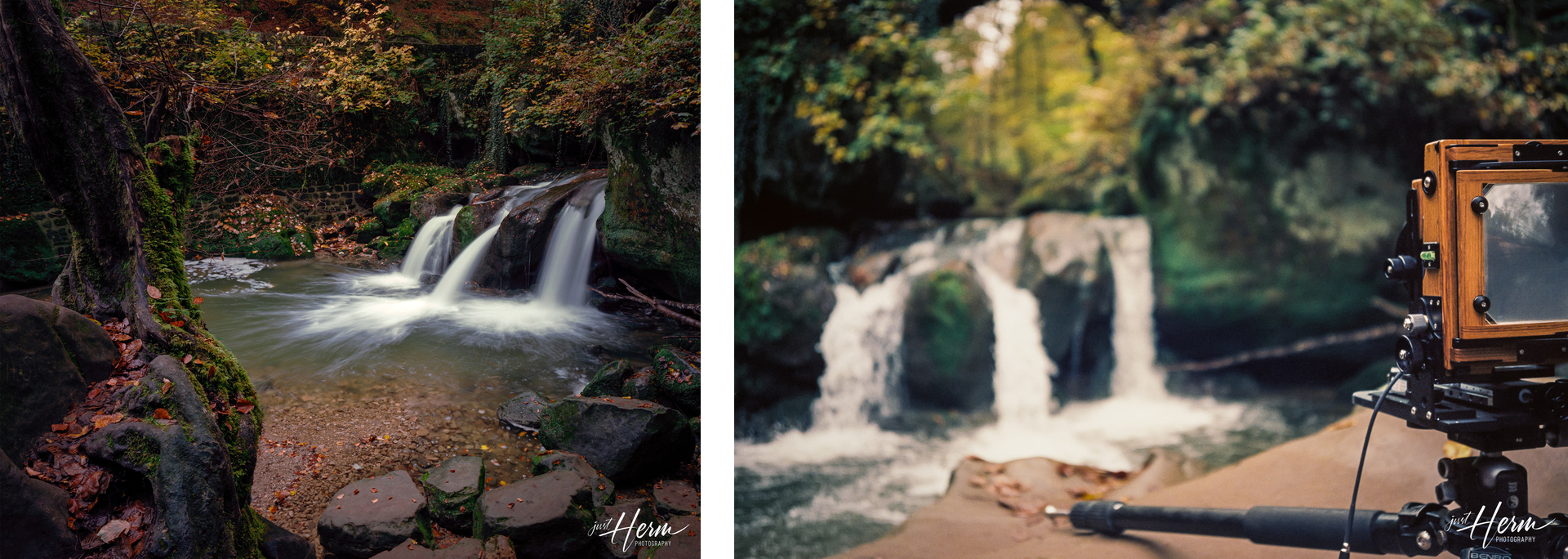
The camera I use is a Chamonix 45F-2, a handmade wooden camera for large format 4x5” film. The slides and negatives are really huge, measuring 10x12.5cm. And to give you an idea of what that means: properly digitizing a developed photo like that quickly results in a file of around 300 Mp!
My Nikkor lenses are all from the 1980s and 1990s, but they are still beautiful and sharp. They also have a screw thread on the front. That's why it's such a great combination of old and new techniques with the Kase filter system; it works seamlessly together.
 Do you have any tips for novice photographers on how to take better photos?
Take photos for yourself. Above all, do what you want and don't let anyone tell you how it “should” be done; enough people do that already. In my e-books, I always include the quote: “Learn the rules like a pro so you can break them like an artist.” Stay curious and make prints of your best photos. You can be proud of what YOU have created, yourself!
Don't try to develop your own style or do something that someone else does. It's OK to like this now and something else next week. That's the beauty of us creative types: anything goes. Making mistakes and falling flat on your face is just part of the process. Getting up and trying again is how you learn.
Bonus tip:
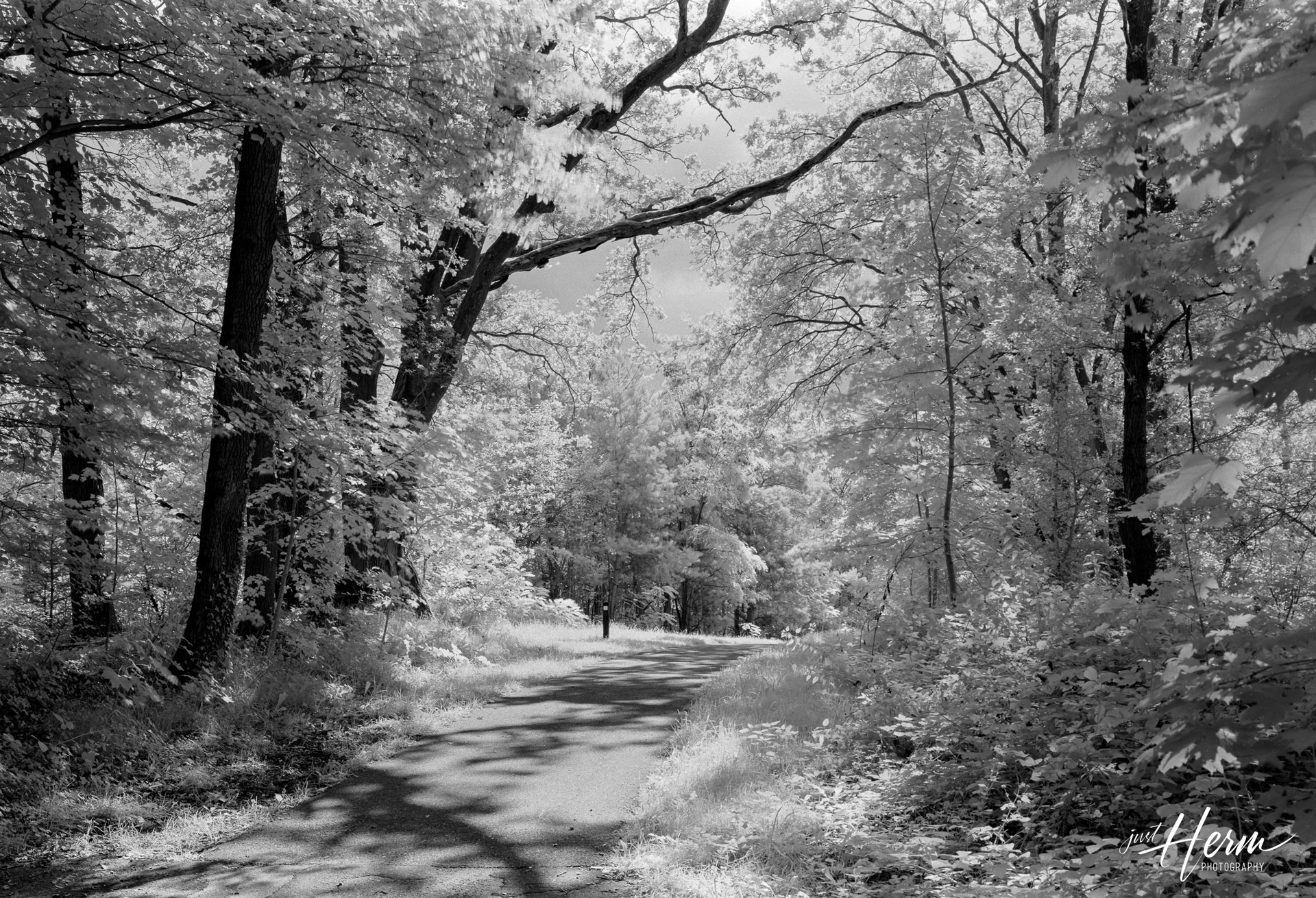
Wait before setting up your tripod, and if possible, leave your camera in your bag for a while. Let the surroundings sink in first. The sounds, the light, and how the sun plays with the landscape. Then pick up your camera and decide on the angle first without using the tripod. Only when you have found the ideal position should you set up your tripod. This will prevent you from becoming “stuck” with your tripod in that spot.
Where can people find you?
Website:
www.justherm.com
Instagram:
@justherm
Facebook:
www.facebook.com/justherm
Flickr:
www.flickr.com/people/196878074@N05/

